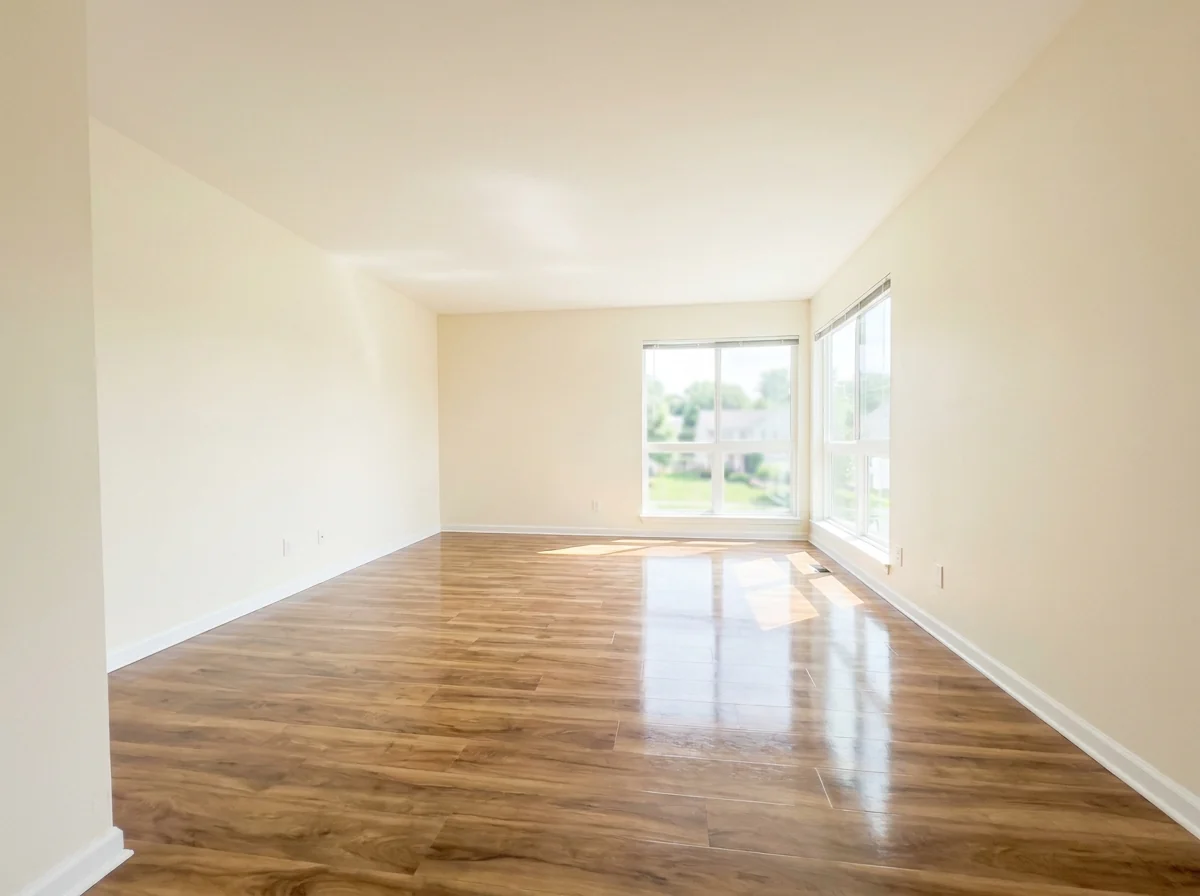
Cleaning is the biggest lever most renters can pull, but it's not the only factor in whether a security deposit comes back in full. Here's the complete picture.
Start with your lease and move-in inspection
Before you clean anything, dig up your original move-in condition report if you did one. Michigan law generally requires landlords to provide an inventory checklist at move-in — if you have it, it's your best evidence for what condition the unit was actually expected to be returned in.
Document everything before you leave
- Photograph or video every room after cleaning is complete, with a timestamp
- Pay special attention to areas prone to dispute: bathrooms, kitchen appliances, carpets, and walls
- Keep a copy of your professional cleaning receipt or invoice — it's evidence of effort and standard, not just a nice-to-have
Clean to the level of detail landlords actually check
Walkthrough inspections tend to focus disproportionately on a handful of high-visibility spots: inside the oven, bathroom grout, window tracks, and baseboards. These are exactly the items a standard cleaning skips and a move-out/deep clean covers — see our full move-out checklist for the room-by-room breakdown.
Know the difference between cleanliness and damage
Michigan law distinguishes normal wear and tear (which landlords generally can't deduct for) from actual damage or uncleanliness (which they can). A dirty stove is cleanliness; a cracked stovetop is damage. Cleaning addresses the first category — the second requires repair, not cleaning, and is worth understanding as a separate issue.
Give proper notice and follow the return timeline
Michigan generally requires landlords to return deposits (or provide an itemized list of deductions) within a set window after move-out — check your specific lease and current state requirements, since timelines can be updated. If a landlord misses that window without justification, you may have additional legal standing to recover the full deposit.
If a deduction seems unfair
- Request an itemized, written explanation of any deductions
- Compare it against your move-in documentation and move-out photos
- Respond in writing (email creates a paper trail) if you're disputing a specific charge
- Michigan's small claims court is a realistic option for disputed deposits within its claim limits, without needing an attorney
The bottom line
A genuinely thorough, professional move-out clean is the single highest-leverage thing most renters can do — but pairing it with documentation (both at move-in and move-out) is what actually protects you if a dispute happens.