Quick answer
Before moving out, remove all belongings, compare the unit with your move-in records, photograph each room, clean the areas named in the lease, return keys as required, and provide a forwarding address in writing. Keep copies of your checklist and communications. Cleaning supports a clear handoff, but it does not determine a legal dispute by itself.
Move-out week gets crowded fast: boxes, utility shutoffs, keys, a final walkthrough, and a security deposit you would rather not chase. The useful approach is simple: document the unit before cleaning, clean what you can, and avoid making legal promises based on a generic online checklist.
Document before you start
- Use your move-in checklist and lease as the comparison point.
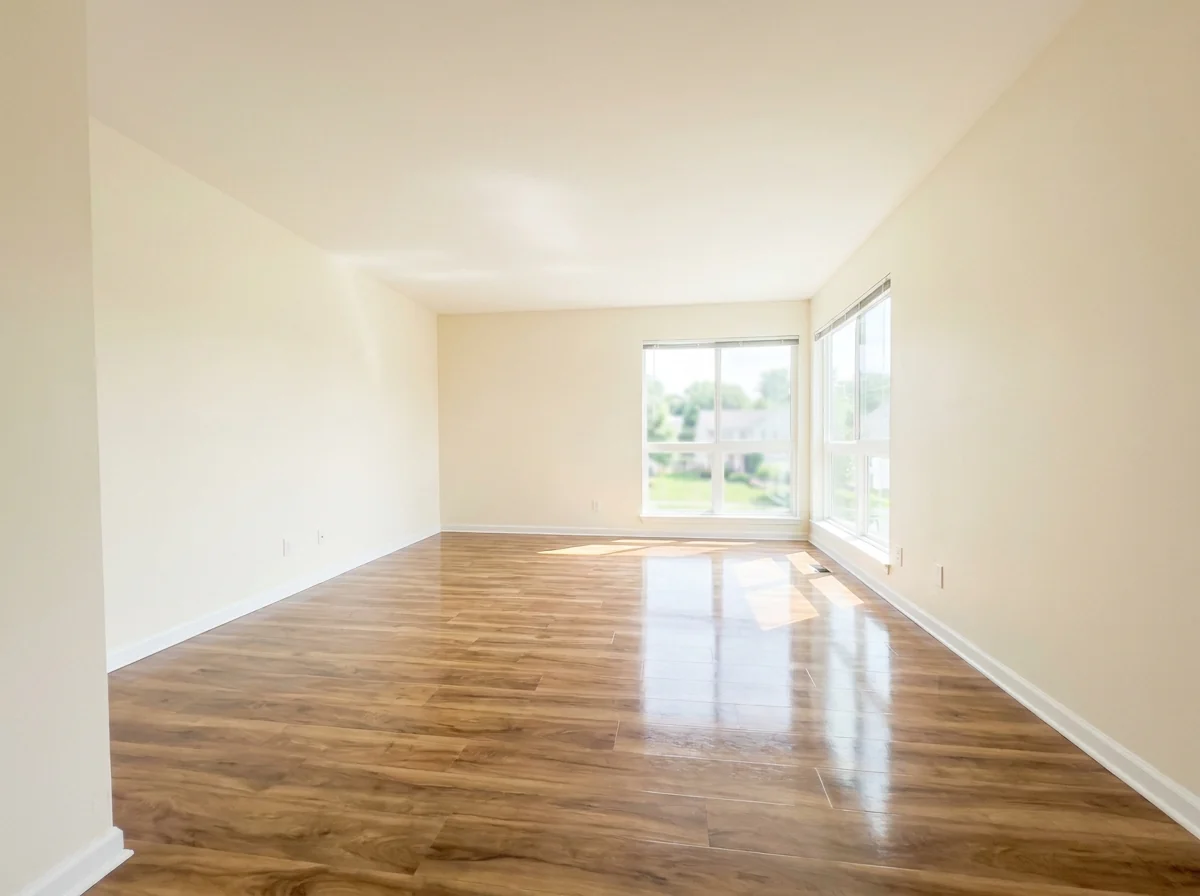
- Take dated photos or video of each empty room, appliances, floors, and any existing damage.
- Keep written confirmation of key return, forwarding address, and any walkthrough.
Clean the details a final walkthrough reveals
Empty cabinets and closets, refrigerator shelves, oven surfaces, sinks, fixtures, shower walls, toilets, floors, and window ledges are easier to inspect when the home is vacant. Do not paint over damage or attempt repairs you are not qualified to make.
Know where the cleaning checklist stops
Michigan’s official tenant resources explain security-deposit rules and link to the relevant law. The Michigan Judicial Institute notes that a security deposit may be used for actual damages, rent, utilities, or lost rent in specified circumstances. It is not a substitute for reading your lease or getting legal advice.
For an empty home that needs hands-on help, request a move-out cleaning quote. Our existing Michigan renter checklist adds room-by-room detail.
Sources: Michigan Attorney General renter resources and Michigan Judicial Institute landlord-tenant benchbook. This article is general information, not legal advice.